
Ethylene Cracker Radiant Tubes — High-Temperature Alloy 800H & 304H
Project Background
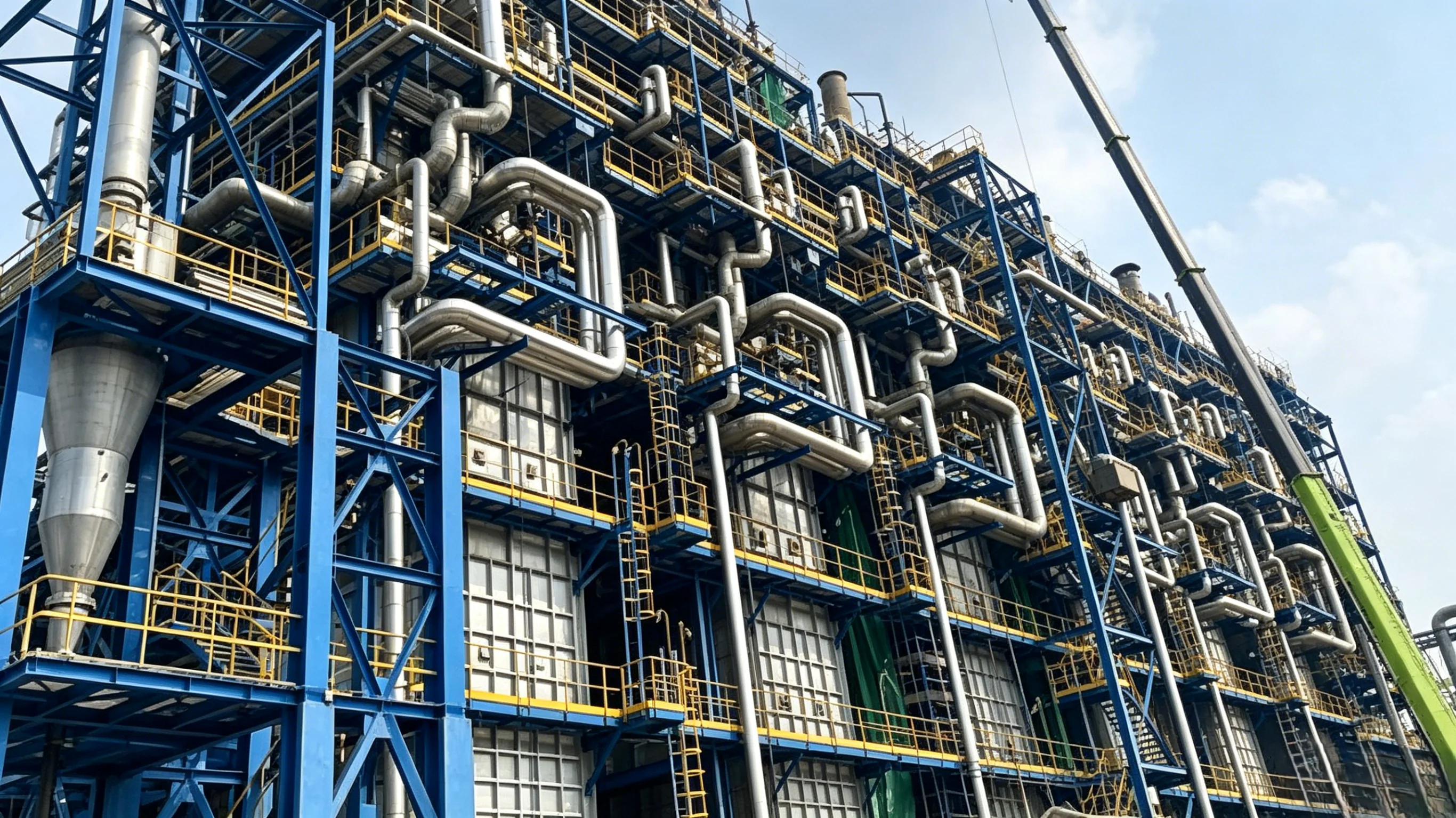
A million-ton ethylene plant in Russia underwent a radiant section revamp of its cracking furnace. The furnace tubes operate at 850-950°C in hydrocarbon cracking atmospheres, enduring creep, carburization, and thermal cycling simultaneously. The original materials showed significant carburization embrittlement and creep bulging after 8 years of service, requiring a material upgrade to extend the turnaround interval beyond 5 years.
Technical Specifications
| Grade | Alloy 800H (UNS N08810) / ASTM A213 TP304H |
| Size Range | DN50 – DN200 (2" – 8" OD) |
| Standards | ASTM B407 (800H), ASTM A213 (304H), API 530 |
| Metallurgy | Grain size ASTM 3–5, 800H carbon 0.05–0.10% |
The Challenge
The critical challenge for 800H furnace tubes is balancing long-term creep strength with carburization resistance. At 950°C, both creep deformation and carbon diffusion from the hydrocarbon process side accelerate degradation, leading to premature tube replacement.
TOKO TECH Solution
TOKO TECH supplied 800H tubes with precisely controlled carbon (0.05-0.10%) and Al+Ti (0.85-1.20%) content to maximize high-temperature strength. Grain size was maintained at ASTM 3-5 for optimal creep resistance. 100,000-hour creep rupture strength at 950°C meets Larson-Miller parameter requirements. Every tube underwent 100% automated UT + eddy current + hydrostatic triple inspection.
Related Products
Materials Used
Industry Applications
Search Keywords
Frequently Asked Questions
What is the difference between Alloy 800 and 800H?
What is carburization in ethylene cracking furnace tubes?
Need a Similar Solution?
Tell us about your project requirements and we'll develop the optimal material specification and delivery schedule for your application.
Request a Quote